Why scalping causes problems
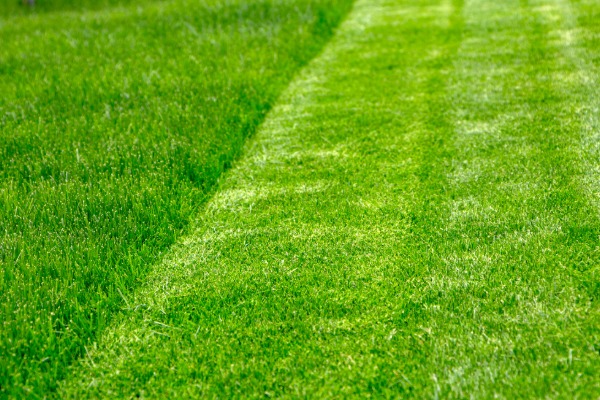
Mowing too low removes the leaf area a lawn relies on to produce energy through photosynthesis. A scalped lawn has less capacity to recover, which slows regrowth and leaves bare or thinning patches exposed to direct sun. Those weak spots are exactly where weeds such as bindii and creeping oxalis get a foothold, and where fungal disease is more likely to take hold once the lawn is under stress.
What longer grass does for your lawn
- Taller grass shades the soil surface, which reduces evaporation and keeps roots cooler through the hottest part of the day.
- A well-shaded root zone needs less frequent watering, putting less strain on the lawn and on your water use.
- Denser, longer growth naturally crowds out weeds before they can establish.
- Extra leaf area supports deeper root development, which improves drought tolerance and overall resilience.
- Grass that isn't stressed is far less susceptible to fungal disease during long, dry stretches.
Getting the height right
The ideal height depends on the grass type. Buffalo and kikuyu lawns generally do well at 30 to 50mm in summer, while couch varieties can be kept a little lower, in the range of 20 to 30mm. Whatever the variety, the same rule applies: never remove more than a third of the leaf blade in a single mow. If the lawn has gotten away on you, bring it down gradually over a couple of mows rather than cutting it hard all at once.
Timing matters too. Mowing in the early morning or early evening, when temperatures are lower, reduces stress on the grass and lowers the risk of burnt tips. Avoid mowing in the middle of a hot day or when the lawn is drought-stressed, as this is when it's least able to recover.
Keep on top of the basics
A few habits make a real difference alongside mowing height:
- Keep mower blades sharp. Blunt blades tear the grass rather than cutting it cleanly, which increases moisture loss and slows healing.
- Water deeply and less often rather than little and frequently. This encourages roots to grow down rather than staying near the surface, where they dry out fastest.
- Fertilise every six to eight weeks through summer to support recovery between mows.
If you'd rather not track mowing heights and fertiliser schedules yourself, call your local lawnmowing professionals to take care of everything for you.