Pixelation and freezing
If your screen regularly turns into a mosaic of squares or freezes mid-scene, your antenna may no longer be delivering a strong, clean signal. While occasional interference can happen during bad weather, ongoing pixelation is often a sign of an ageing antenna, damaged elements or internal corrosion. Modern digital TV signals need consistency, and older antennas can struggle to keep up.
Channels disappearing
Have some channels vanished, or do new TVs refuse to tune them in at all? Over time, broadcast services change, and antennas that were once perfectly adequate can become outdated. If neighbours can access channels that you can’t, your antenna could be the weak link.
Inconsistent picture quality
Does your TV look fine in the morning but struggle in the evening? This kind of fluctuation can point to an antenna that’s only just coping. As more people in your area watch TV during peak times, signal conditions can change, exposing an antenna that can’t handle the load.
Visible wear and tear
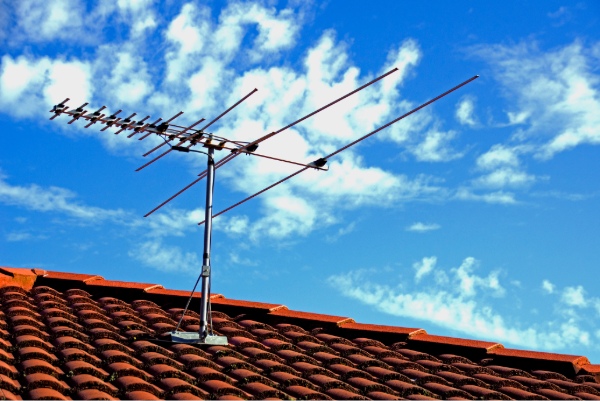
A quick look at your roof can often tell a story. Bent elements, missing parts, rust, cracked plastic or a leaning mast are all red flags. Exposure to sun, wind and rain takes its toll over time, and even minor physical damage can significantly affect performance. If your antenna has weathered a few storms or looks worse for wear, replacement is often more practical than repair.
An ageing antenna
If yours is more than ten to fifteen years old, it was designed for a different broadcasting environment. Newer antennas are built to handle current digital signals more efficiently and are often more compact, durable and reliable. Age alone doesn’t guarantee failure, but it does make problems more likely.
Moving or renovating
Home renovations can sometimes affect signal quality without you realising it. New roofing materials, additional walls, extensions or even solar panels can interfere with signal paths. If TV issues started after a renovation, your old antenna may no longer be positioned or suited for the changed layout. Likewise, moving into an older home often means inheriting an antenna that’s well past its prime.
Changed surroundings
Your surroundings matter more than you might think. Growing trees, new neighbouring buildings or other structures can obstruct or reflect signals, leading to inconsistent reception. If your environment has changed but your antenna hasn’t, upgrading to a model better suited to local conditions can make a noticeable difference.
Weather-related issues
While extreme weather can impact anyone’s reception, a good antenna should handle typical rain and wind without drama. If every gust or shower leads to signal issues, it’s often a sign that your antenna is underpowered, poorly mounted or nearing the end of its lifespan.
When an upgrade helps
If several of these signs sound familiar, replacing your antenna could be a simple, worthwhile upgrade that pays off every time you turn the TV on.