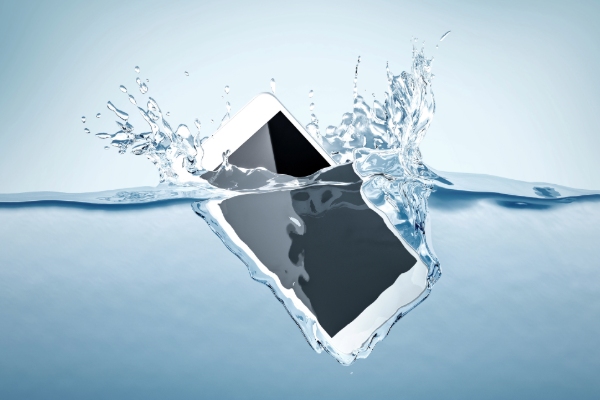
First things first – get it out and turn it off
As soon as you retrieve your phone, switch it off straight away. If it’s plugged in, disconnect it carefully. Electricity and water are not a happy pairing, so powering it down reduces the risk of internal damage. If you can remove the case, SIM card, or memory card, do that too and set them aside to dry.
Dry the outside gently
Grab a soft cloth or paper towel and gently pat the phone dry. Avoid shaking it, as that can push water deeper inside.
Help any trapped water drain out
If water has got into the charging port or speaker holes, it helps to let gravity do some of the work. Place your phone on a flat surface and prop it up slightly so the charging port points downward. This allows moisture to slowly drain out rather than sitting inside the port.
Air drying beats quick fixes
It’s tempting to reach for the hairdryer, but heat can cause more harm than good. The best option is to let it air dry naturally. If you have any silica gel sachets from packaging, place the phone in a sealed container with them – they’re great at absorbing moisture. Rice is a common suggestion, but it’s not very effective and can leave dust behind.
Be patient before switching it back on
Leave your phone alone for at least 24 to 48 hours before trying to turn it on. Even if it looks dry on the outside, moisture can linger inside and cause problems later.
If it’s still not working
If your phone won’t turn on or starts behaving oddly, it’s time to get professional help. A phone repair specialist can assess internal damage and may be able to save it – especially if you acted quickly.
A little prevention goes a long way
Water-resistant cases, keeping your phone away from wet areas, and backing up your data regularly can all help reduce stress if an accident does happen.