Herbs and vegetables
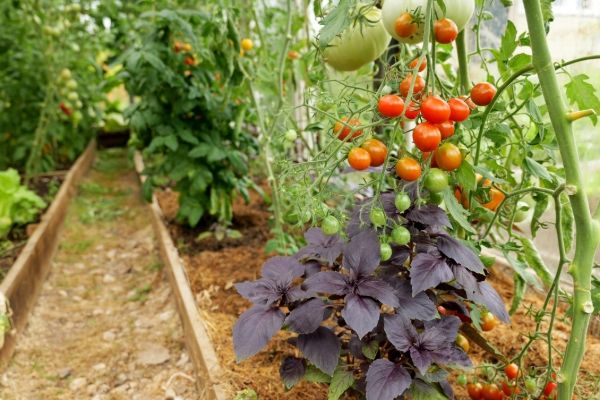
Basil
This herb garden staple helps repel insects like whiteflies, aphids and mosquitoes. Many gardeners believe it can also improve the flavour of tomatoes. It’s compact, easy to grow and does well if it’s planted nearby.
Chives and onions
The strong smell of alliums such as chives and onions can confuse and repel pests such as aphids and slugs. They’re also good border plants that don’t take up a whole lot of space.
Carrots
Because they grow below ground, carrots won’t encroach too much on a tomato plant’s space. They can also benefit from the shade provided by tomato foliage, especially in the warmer months.
Lettuce
Growing low to the ground, lettuce helps to keep soil cool and moist while reducing the chance of weeds. It’s also fast growing, making it a good crop to tuck in around tomato plants.
Parsley
Parsley attracts hoverflies and other beneficial insects that feed on garden pests. It grows well in partial shade and fits easily around the base of tomato plants.
Spinach and silverbeet
These leafy greens grow well under taller tomato plants, making use of the shade and space below. The good news is they don’t compete heavily for nutrients or water.
Thyme
With its strong scent, thyme helps to deter whiteflies and other pests. It also acts as a low-growing ground cover to help retain soil moisture.
Flowers
Marigolds
Marigolds are known for deterring whiteflies and aphids. French marigolds are particularly effective and, as a bonus, they’ll add a touch of colour to your veggie patch.
Nasturtiums
These act as a ‘trap crop’ by attracting aphids and whiteflies away from tomatoes. Their trailing habit also works well around the base of taller tomato plants.
Alyssum
Sweet alyssum is a low-growing ground cover that helps suppress weeds and retain soil moisture. It attracts hoverflies, which feed on aphids, and brings in pollinators to help your garden thrive.
Cosmos
These tall, daisy‑like flowers attract a wide range of beneficial insects, including lacewings and parasitic wasps that target tomato pests. They also add a soft, cottage‑garden feel.
Zinnias
Zinnias are bright, tough and irresistible to bees and butterflies. Their blooms draw pollinators and predator insects like ladybirds, which are handy for controlling aphids and whiteflies that may have taken a fancy to your tomato plants.
Calendula (pot marigold)
Calendula offers similar benefits to French marigolds – attracting beneficial insects and helping deter unwanted bugs.
Sunflowers
While they do need space and sun, sunflowers can act as a living trellis for smaller tomato varieties, if you have the space. They also attract pollinators and beneficial predatory insects.
Geraniums
Scented‑leaf geraniums are thought to deter cabbageworms and leafhoppers, which can be a bit of a bother to your tomato plants. They make a lovely visual contrast to the tomatoes’ foliage too.
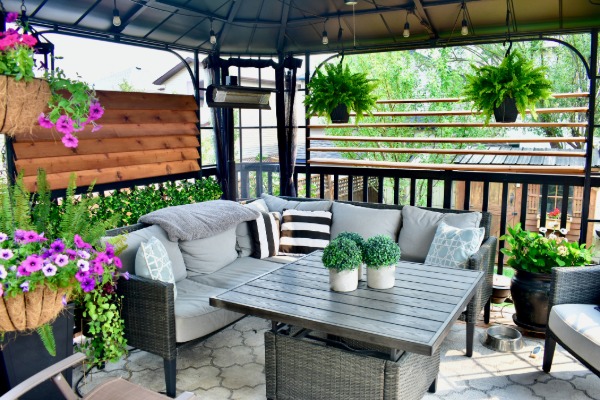
Petunias
A great all‑round companion – easy to grow, colourful and effective at repelling aphids, tomato hornworms and leafhoppers. Petunias are also compact enough to sit nicely under or beside your tomato plants.
Plants to avoid near tomatoes
Some plants can hinder tomato growth or increase the risk of pests and disease. Avoid planting tomatoes next to:
- Corn – attracts tomato fruit worms and shares many of the same pests
- Potatoes – can spread blight and other soil‑borne diseases
- Fennel – produces substances that can suppress tomato growth
- Cabbage family plants – may slow growth and attract unwanted insects