What counts as an electrical appliance?
If it plugs in, powers up, or runs on batteries, it’s considered an electrical or electronic item. That includes:
- Kitchen helpers like toasters, kettles, coffee machines, blenders and microwaves.
- Personal care gear such as hairdryers, electric shavers and toothbrushes.
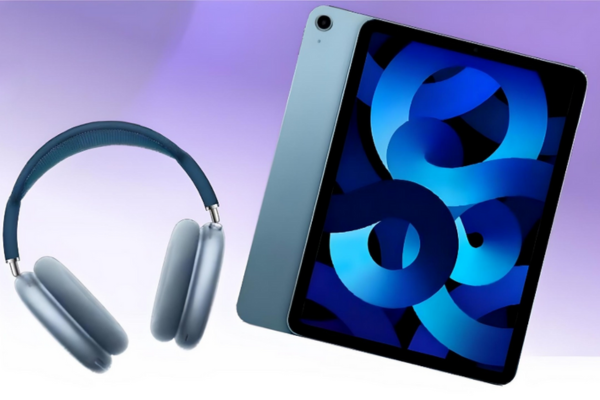
- Entertainment and tech - think TVs, laptops, headphones, phones, gaming consoles, and USB sticks.
- Household bits and bobs like lamps, vacuums, and heaters.
- Tools and gadgets like drills, modems, Christmas lights and remote controls.
- Even the humble cable, charger or battery.
Why not the general waste bin?
It might seem like no big deal, but here’s why the bin isn’t the right place for your old electronics.
- Hidden hazards: Appliances often contain substances like lead, mercury, and flame retardants. While safe inside the device, these can leak out in landfill, finding their way into soil and water.
- Packed with resources: Inside your toaster or phone are metals such as copper, aluminium, and even a touch of gold. Recycling lets us reuse these instead of digging up more.
- Fire danger: Batteries, especially lithium-ion ones, can spark or even explode when damaged. Waste facility fires are becoming more common because of this.
- They last forever: Unlike food scraps or garden clippings, electronics don’t break down. They sit in landfill for decades, taking up valuable space.
Smarter ways to say goodbye to your gadgets
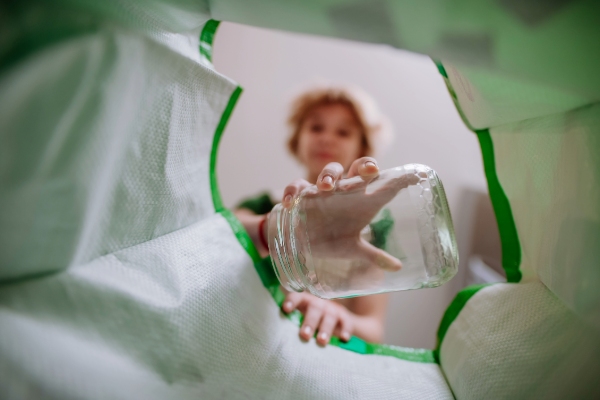
The good news is that there are easy and responsible options for dealing with e-waste.
- Council services: Many councils run collection days, have drop-off points at recycling centres, or host special events. A quick check online will show what’s on offer in your area.
- Retailers: Some stores will take back your old gear when you buy something new, and larger chains often have bins for small electronics and batteries.
- Battery stations: Many supermarkets, libraries, and hardware stores have bins just for batteries. Keeping a small container at home makes it easy to collect them for recycling.
- Donate or sell: If your item still works, pass it on. Charities, community groups, and online marketplaces are great places to give things a second life.
What happens to recycled e-waste?
Once collected, e-waste is taken to a special facility. Items are pulled apart, and materials like plastic, metal, and glass are sorted for reuse. Hazardous parts are carefully handled, and valuable metals are recovered for new products - from electronics to construction materials.
A small change with a big impact
Recycling your old gadgets isn’t just about avoiding problems - it’s about creating something positive. It helps protect the environment, saves resources, reduces pollution, and supports local recycling industries. And the best part? Even recycling one appliance instead of binning it makes a difference.
So next time your blender gives up or your headphones fizzle out, take a moment to send them to the right place. It’s a simple step that helps keep our planet - and our communities - in better shape.