Give sandy soil a helping hand
Our sandy soil has a major drawback – it doesn't hold onto water or nutrients particularly well. Some sandy soils can also become water repellent, so water sits on the surface rather than soaking down to the roots.
The good news is that you can improve it without starting from scratch. Adding organic matter such as compost or a suitable soil improver helps improve the soil's ability to hold moisture and nutrients, while a wetting agent can help water penetrate soil that has become water repellent.
For an established garden bed, there's no need to dig everything up. Work a suitable soil improver lightly into the surface and water it in well. If you're planting new plants, it's a good opportunity to improve the soil before they go in.
Mulch before the heat arrives
Mulch is one of those garden jobs that keeps doing its job long after you've finished adding it.
A good layer can help reduce evaporation, keep the soil cooler and suppress weeds competing with plants for moisture. A coarse, waterwise mulch spread about 5–10cm deep is recommended. Keep it clear of plant stems and tree trunks rather than piling it up against them.
If your existing mulch has become thin or patchy, topping it up now is an easy summer preparation job.
Check your watering system
Summer is not the time to discover that a sprinkler head is blocked, or a hose has developed a mysterious leak.
Now is a great time to turn on your watering system and check the garden while it's running. Look for broken or clogged sprinklers, water spraying onto paths or paving, leaking connections and areas that aren't getting enough coverage.
It's also worth checking your irrigation controller and making sure the settings are right for the warmer months.
Have a look at what's growing
If a plant has struggled year after year, take note of where it's growing and what the conditions are like. A replacement that suits a particular position may have a much better chance of making it through the summer heat.
Grouping plants with similar watering needs can also make your watering system simpler, as you can give each area the perfect amount of hydration.
Give the lawn some attention
If you have a lawn, check for thin patches and areas where water doesn't seem to be soaking in properly.
Compacted or water-repellent soil can make it harder for water to reach the roots, so improving the soil and addressing those problem areas can be more useful than simply increasing the amount of water.
Do a little pruning and tidying
Clear away dead or damaged growth and remove weeds before they have a chance to compete with your plants for water.
If you've got flowering plants, check whether they've finished flowering and need a tidy-up. Just avoid giving the whole garden a major haircut at once. Some plants respond well to pruning while others are better left alone during hot weather.
Give pots a closer look
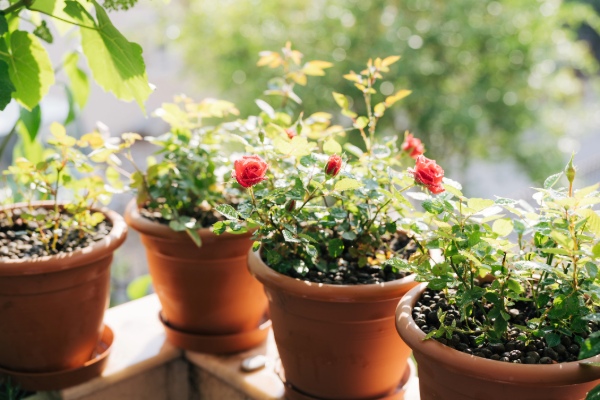
Plants in pots can dry out quickly, particularly when they're sitting in an exposed position.
Check that drainage holes are clear and that the potting mix is still absorbing water properly. If water runs straight through or sits on the surface, the mix may need some attention.
Move particularly vulnerable pots to a more sheltered position and try adding a little mulch to larger pots to help slow moisture loss.
Keep it simple
You don't have to get the entire garden summer-ready in one weekend.
If time is short, concentrate on the jobs that will make the biggest difference: improve sandy or water-repellent soil, top up the mulch, check the irrigation and deal with weeds and problem areas.
A little preparation now can mean less scrambling with the hose later – and more time to enjoy the garden when summer arrives.