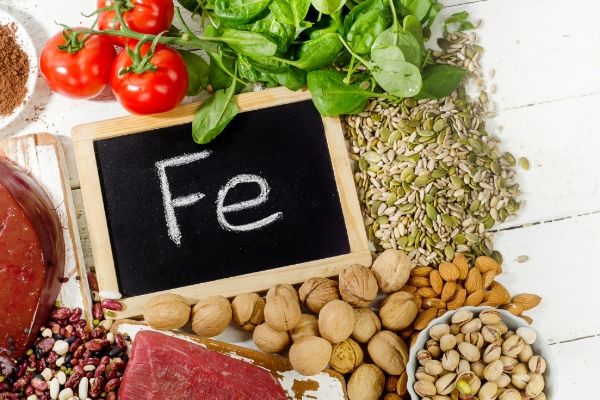
If you’re experiencing symptoms like constant fatigue, pale skin, dizziness, headaches, restless legs, or more hair loss than usual, see your doctor. Iron deficiency can usually be detected with a blood test. Start your day full of energy
While red meat is a well‑known source of iron, it’s far from the only option. There are plenty of ways to get iron into your diet – whether you eat meat or not.
Food sources of iron
There are two types of iron in food – haem iron and non‑haem iron.
Haem iron is found in animal‑based foods and is absorbed efficiently. Non‑haem iron comes from plant‑based sources and is absorbed less efficiently, but it still plays an important role.
Haem iron sources
Haem iron is found in meat, poultry and fish. According to Nutrition Australia, these foods are high in haem iron, listed from most to least:
Oysters are also widely recognised as a good source of iron.
Non‑haem iron sources
Non‑haem iron isn’t absorbed as easily, but it remains a valuable part of a healthy diet. Based on Nutrition Australia’s guidance, here are some good sources, listed from most to least:
- Iron‑fortified cereals such as Weet‑Bix and All‑Bran
- Kidney beans
- Tofu
- Chickpeas
- Cooked wholemeal pasta
- Cashews
- Spinach
- Dried apricots
- Broccoli
- Cooked brown rice
- Wholegrain bread
These foods can be included across meals and snacks throughout the day. Fortified cereals, legumes, leafy greens, wholegrains and dried fruits are especially useful for people who avoid animal products. How to get more plant foods into your day
How to help your body absorb iron
What you eat with iron‑rich foods can influence how much your body absorbs.
- Include vitamin C with meals – foods like oranges, strawberries, capsicum, tomatoes and broccoli help your body absorb non‑haem iron more efficiently
- Avoid tea, coffee and chocolate with meals – tannins can block iron absorption, so it’s best to leave a few hours between these and your meals
- Spread iron intake across the day – smaller amounts of iron eaten at different times can be more effective than a single large serving
These tips are especially helpful if your diet is mostly plant‑based.
Here are a few helpful food combinations to improve iron absorption:
- Lentil and roast capsicum salad
- Spinach with orange slices
- Iron‑fortified cereal with strawberries or kiwi fruit
- Steamed broccoli with a squeeze of lemon
- Tofu stir‑fry with snow peas and red capsicum
What about supplements?
Iron supplements come in tablets, capsules and liquids. They’re usually only needed when a deficiency has been confirmed. Because they contain higher doses and can cause side effects, they should only be taken under medical supervision.
Can you get too much iron?
Yes – although it’s much less common than deficiency. Some people have a condition called haemochromatosis, where the body stores too much iron. If left untreated, it can lead to long‑term health issues. Supplements should never be taken without advice from your doctor.
This is a general guide. If you think you might be low in iron, speak to your doctor. Iron in high doses can be harmful, so it’s important not to self‑diagnose or take supplements without medical advice.
Sources:
Healthdirect Australia
www.betterhealth.vic.gov.au
Nutrition Australia
Australian Government Department of Health and Aged Care
Everyday Health